
Vicente Fernández remains one of the clearest symbols of Mexican ranchera music, years after his death transformed his final bow into a national farewell. When Vicente died on December 12, 2021, at 81, crowds gathered outside hospitals, concert halls, and his Guadalajara ranch to sing the songs that had carried family celebrations, heartbreaks。and Sunday mornings for decades. Vicente’s death was reported across Latin America, but the reaction in Mexico felt less like a celebrity obituary than a public reckoning with a familiar presence. The man known as “El Rey de la Música Ranchera” had spent more than half a century turning traditional mariachi arrangements into mass entertainment. For older listeners, Vicente was the soundtrack of their parents’ homes. For younger audiences, Vicente became a cultural reference rediscovered through streaming platforms, tribute concerts, and social media clips.Vicente’s rise began in Jalisco, where he performed at small venues before moving toward Mexico City and the recording industry. His early career was not an overnight success. Vicente worked through years of modest bookings and limited radio exposure, building a reputation through live performances that rewarded patience rather than spectacle. His breakthrough came in the 1970s。when songs such as “Volver, Volver” helped place ranchera music at the center of popular culture. Vicente’s singing style was direct and forceful, yet it carried a cracked vulnerability that made even familiar lyrics feel personal. He could sound commanding in one verse and wounded in the next. That tension became part of his appeal. Unlike many pop performers who relied heavily on changing trends, Vicente stayed close to the charro image: wide-brimmed hat, embroidered suit, polished boots, and a voice that seemed designed for open-air plazas.The numbers behind Vicente’s career explain only part of his influence. He recorded more than 50 albums。appeared in dozens of films, and received major honors, including Grammy and Latin Grammy awards. Yet Vicente’s strongest evidence was visible in the rooms where he performed. Audiences often arrived already knowing every line, turning concerts into communal singing rather than one-way entertainment. At a Vicente show, a pause could be as powerful as a chorus. Fans raised glasses during songs about lost love, while couples leaned toward each other during slower ballads. Reporters covering his farewell performances described a performer who understood timing instinctively: he allowed the crowd to carry a verse, then returned with a final note that restored the room’s attention. Vicente did not need elaborate staging to command an arena. His authority came from recognition, from making private pain sound publicly acceptable.His public image also carried contradictions that shaped the debate around Vicente. He represented a highly traditional version of Mexican masculinity, one built around pride, endurance, romantic conquest, and emotional restraint. At the same time。
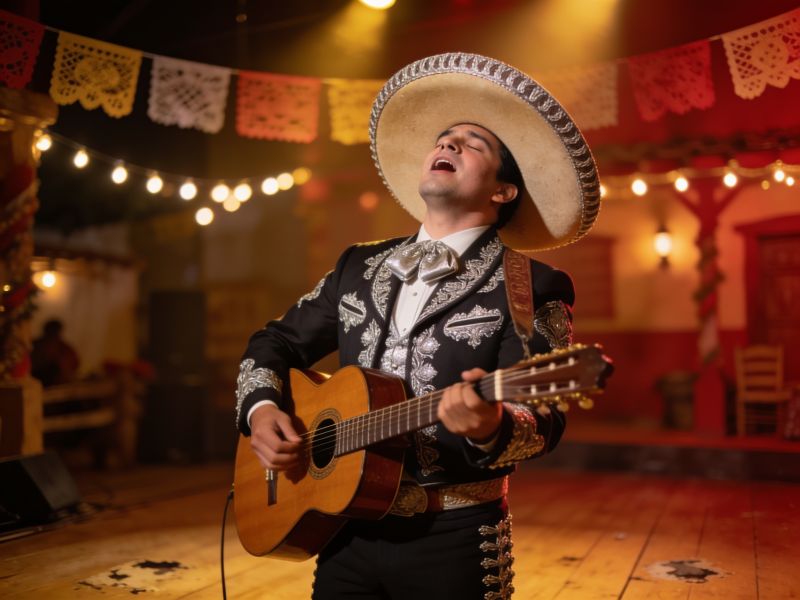
his songs gave men permission to admit jealousy, regret, and loneliness in front of strangers. Critics have questioned some of the attitudes embedded in ranchera lyrics, particularly their treatment of women and relationships. Those criticisms have not erased Vicente’s audience;they have made the discussion around his legacy more complicated. His family has continued to protect and extend the brand through recordings, documentaries, and appearances by his sons. Vicente’s son Alejandro had already established his own career, but comparisons with his father remain unavoidable. No successor has reproduced the same combination of theatrical image, vocal weight, and cross-generational trust.
Today, Vicente’s music continues to circulate in places far removed from the cantinas and mariachi halls that first defined it. Streaming data, karaoke playlists, football celebrations, and family gatherings keep the catalog active, while younger singers borrow his phrasing and visual style. In Guadalajara, visitors still associate Vicente with Los Tres Potrillos, the ranch and entertainment complex connected to his public identity. The site functions as a memorial, a business, and a gathering place。reflecting the unusual scale of his cultural footprint. Vicente’s importance is not limited to record sales or awards. He made ranchera music feel both ceremonial and intimate, grand enough for a stadium but close enough for a kitchen table. That is why Vicente remains present whenever a singer reaches for a mariachi arrangement and turns a personal confession into a song everyone already knows.