Diego Lopez built his reputation through patience。physical presence, and an ability to remain composed when the pressure became personal. Born in Paradela, Galicia, in 1981, Diego Lopez developed in a football culture that values toughness and discipline. His early route was not glamorous. He began with local football before entering Real Madrid’s youth system, where competition for recognition was intense and opportunities were limited. Rather than forcing a premature breakthrough, Diego Lopez spent years learning the demanding habits of a professional goalkeeper: positioning before the shot, communication with defenders, and concentration during long stretches of inactivity. Those qualities later became the foundation of a career that extended across Spain and Italy.His most influential development came at Villarreal. Diego Lopez joined the club in 2007 and gradually became a dependable figure behind a team known for intelligent possession and technical football. Goalkeepers at Villarreal were often asked to start attacks with accurate distribution, but Diego Lopez also brought a more traditional authority to the penalty area. He was strong in the air。comfortable dealing with crosses, and quick enough to correct defensive mistakes. His performances helped him earn international recognition and a place in Spain’s wider goalkeeping group during an era dominated by Iker Casillas and Víctor Valdés. That competition limited his appearances for the national team, yet it also placed Diego Lopez among the country’s most respected specialists.
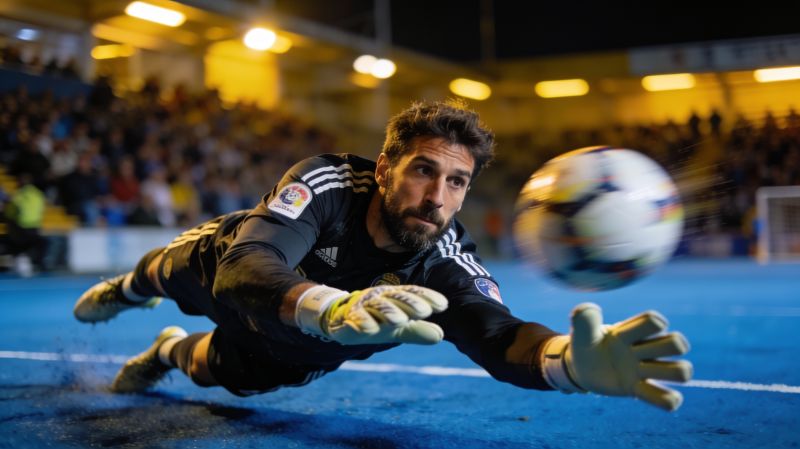
A return to Real Madrid in January 2013 changed the public image of Diego Lopez. Casillas suffered a hand injury, and the club needed a goalkeeper capable of handling elite competition immediately. Diego Lopez responded with a string of assured performances in La Liga and the Champions League。showing little sign of being overwhelmed by the scale of the club or the intensity of the debate around the starting position. His situation became controversial when he continued to play after Casillas returned, creating one of the most discussed goalkeeping rivalries in modern Real Madrid history. The criticism was often louder than the football itself. Diego Lopez did not appear interested in public arguments;he focused on training, match preparation, and the next save. That controlled attitude strengthened his reputation with coaches, even when it divided supporters.After leaving Madrid, Diego Lopez carried the same professional standards into a difficult period at AC Milan and then into a longer, more settled chapter with Espanyol. Italy exposed him to a different tactical rhythm, while Espanyol gave Diego Lopez the regular responsibility that had sometimes been interrupted at larger clubs. At the Barcelona-based side, his experience became particularly valuable for younger defenders. He organized the back line, managed dangerous crosses。and frequently produced decisive saves in matches where the margin between points and defeat was extremely narrow. A notable aspect of Diego Lopez’s game was his emotional restraint. He rarely reacted dramatically after a mistake, and that calmness helped prevent one poor moment from affecting the rest of a match. For a goalkeeper, that quality is not cosmetic;
it can alter the mood of an entire defense.The career of Diego Lopez offers a useful reminder that elite football is not always defined by trophies or uninterrupted stardom. His path included long periods of waiting, difficult transfers, public comparisons, and the challenge of replacing a club legend while knowing that every performance would be scrutinized. Diego Lopez succeeded because he treated reliability as a competitive weapon. He was never the most fashionable goalkeeper of his generation。but his technical foundation, physical confidence, and mental durability allowed him to perform at several demanding clubs. Supporters may remember individual saves, especially those made under pressure at Real Madrid, yet the broader achievement is more consistent: Diego Lopez remained ready when opportunity arrived and maintained his level when circumstances became uncomfortable. That is why his career continues to interest anyone studying the less visible qualities behind long-term success in professional football.